
Sewing is a skill that used to be taught to kids within families; a traditional skill handed down, stitch-by-stitch. It now has to be sought out, which is exactly why "sewing kits for kids" has become one of the most searched craft categories among parents looking for screen-free, skill-building activities. It checks every box: hands-on, low screen dependency, produces a real result, and teaches patience and problem-solving along the way.
Here's what to know before you buy a kids sewing kit, organized by age.
What age can kids start sewing?
Most kids are ready for basic hand sewing starting around age 6, once fine motor skills and hand-eye coordination are developed enough to manage a needle and thread with close supervision. Younger children often find the coordination required more frustrating than fun, so age 6 is a good baseline minimum rather than a floor to push below. Independent hand sewing with a real needle is more realistic around age 7–8. Machine sewing is typically better suited to age 9 and up, depending on the child's fine motor development and attention span.
The age ranges below are general guidelines — watch for interest and hand control rather than sticking rigidly to a number, but age 6 is where most kids have the fine motor foundation to actually enjoy sewing, rather than struggle with it.
Age 6: First stitches
At this age, the goal isn't a polished finished product — it's building comfort with a needle and thread and getting the hand-eye coordination down.
Look for kits with:
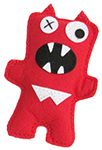
• Felt fabric (thicker, doesn't fray, forgiving of mistakes)
• Pre-punched holes to guide stitch placement
• A blunt plastic or large-eye needle
• Simple shapes: a single animal or object, not multi-piece projects
Skills built: basic hand-eye coordination, understanding "in and out" stitching, following a simple visual guide.
Ages 7–9: Independent basic projects
This is the sweet spot for most "learn to sew" kits. Kids at this age can usually thread a needle with help, follow simple written or illustrated steps, and complete a small project mostly on their own.
Look for kits with:
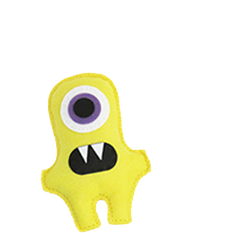
• A simple running stitch or whip stitch project (small stuffed animals, pouches, patches)
• Pre-cut felt pieces so the child doesn't need scissors skills yet
• A metal needle with a larger eye
• Embroidery floss rather than thin thread (easier to see and handle)
Skills built: independent stitching, basic sequencing (steps in order), tying off thread, early problem-solving when a stitch goes wrong.
Ages 9–12: Tween-level projects
By this age, many kids are ready for slightly more advanced hand-sewing techniques, and some are ready to be introduced to a sewing machine.
Look for kits with:
• Multiple stitch types (running stitch, backstitch, blanket stitch)
• Projects with more pieces or basic assembly (small bags, plush animals with joints, simple clothing accessories)
• Optional embroidery elements for added detail
Skills built: multi-step planning, combining stitch types, working with slightly more delicate fabric, patience with a longer project timeline.
Teens: Beyond the beginner kit
Teens who've outgrown beginner kits are often ready for embroidery (see our embroidery guide), garment construction, or mending — a genuinely useful life skill that's disappearing fast. A sewing machine and simple pattern is a reasonable next step here.
What actually makes a sewing kit worth buying
Not all "kids sewing kits" are created equal. A few things separate a kit that gets used once from one that becomes a repeat activity:
• Pre-cut, pre-measured materials. The single biggest barrier to a kid finishing a sewing project isn't skill — it's a parent having to prep felt, cut thread, or measure things mid-project. A well-designed kit removes that friction entirely.
• Clear, visual instructions. Kids in this age range are often pre- or early readers of instructional text; step-by-step images matter more than paragraphs.
• A project that feels worth finishing. A sewing kit that results in something a kid actually wants — a stuffed animal, a wearable patch, a gift for someone — will get finished. A generic "practice square" usually doesn't.
• Room for a mistake. Felt and thicker fabrics forgive uneven stitches in a way that thin fabric doesn't; that forgiveness is what keeps a beginner from giving up halfway through.
Why sewing is worth the screen-free trade-off
Sewing checks a box that a lot of screen-free activities miss: it has a real skill ceiling. A child doesn't master it in one sitting, which means the same core activity — pick a project, thread a needle, work through it — can occupy an afternoon now and in on-going sessions over time. That's rare in a category often filled with one-and-done activities.
It's also a skill that's quietly disappearing. A generation or two ago, basic hand sewing was something most households passed down informally. Now it's something families often have to go looking for, which is exactly why sewing kits have become one of the most searched, and most requested, "screen-free activity" categories for parents specifically trying to build real skills, not just fill time.
CraftLab's sewing kits are designed around this age progression — from first-stitch felt projects for early learners to more advanced embroidery and stitching kits for tweens. Browse the craft kits collection to find the right starting point for your child.